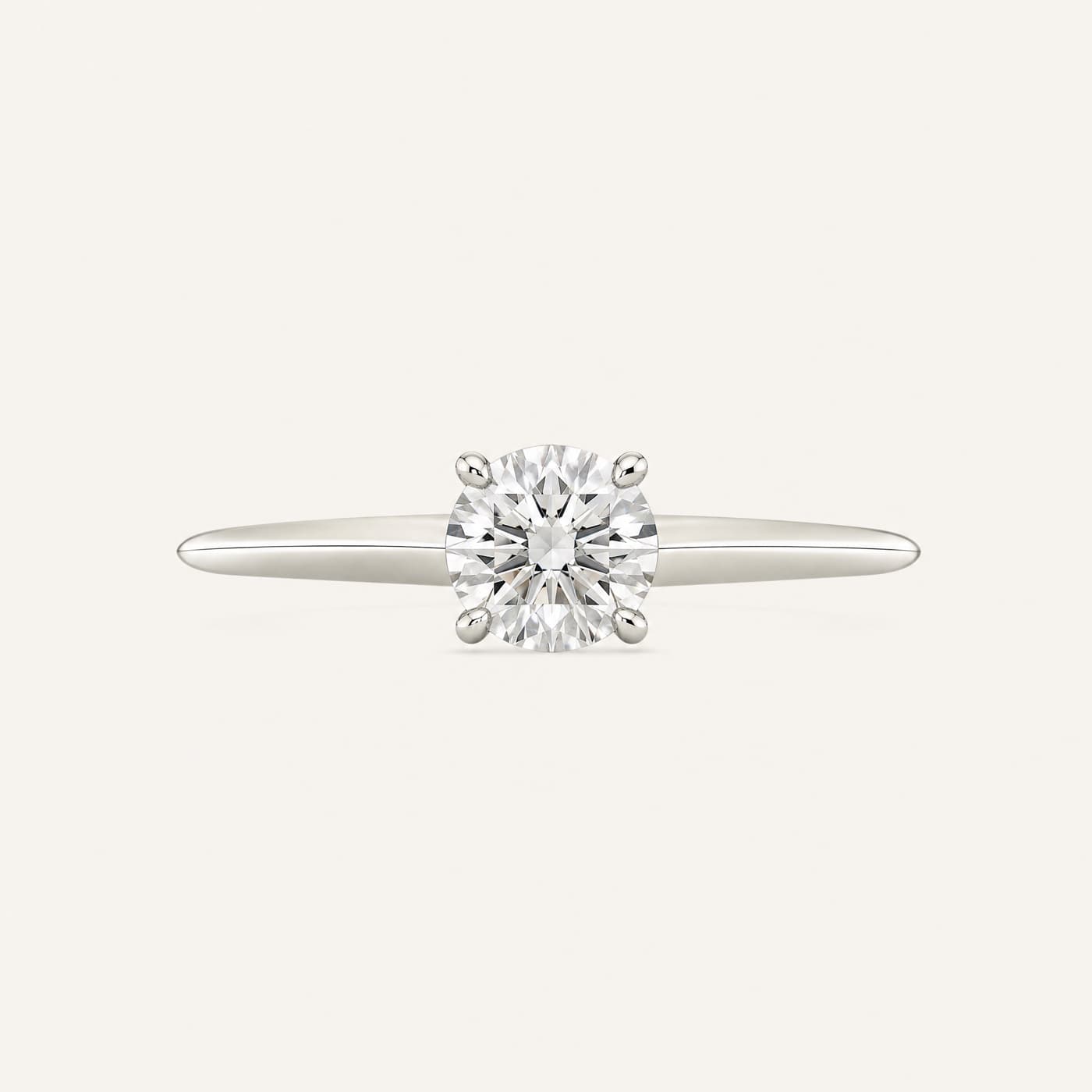
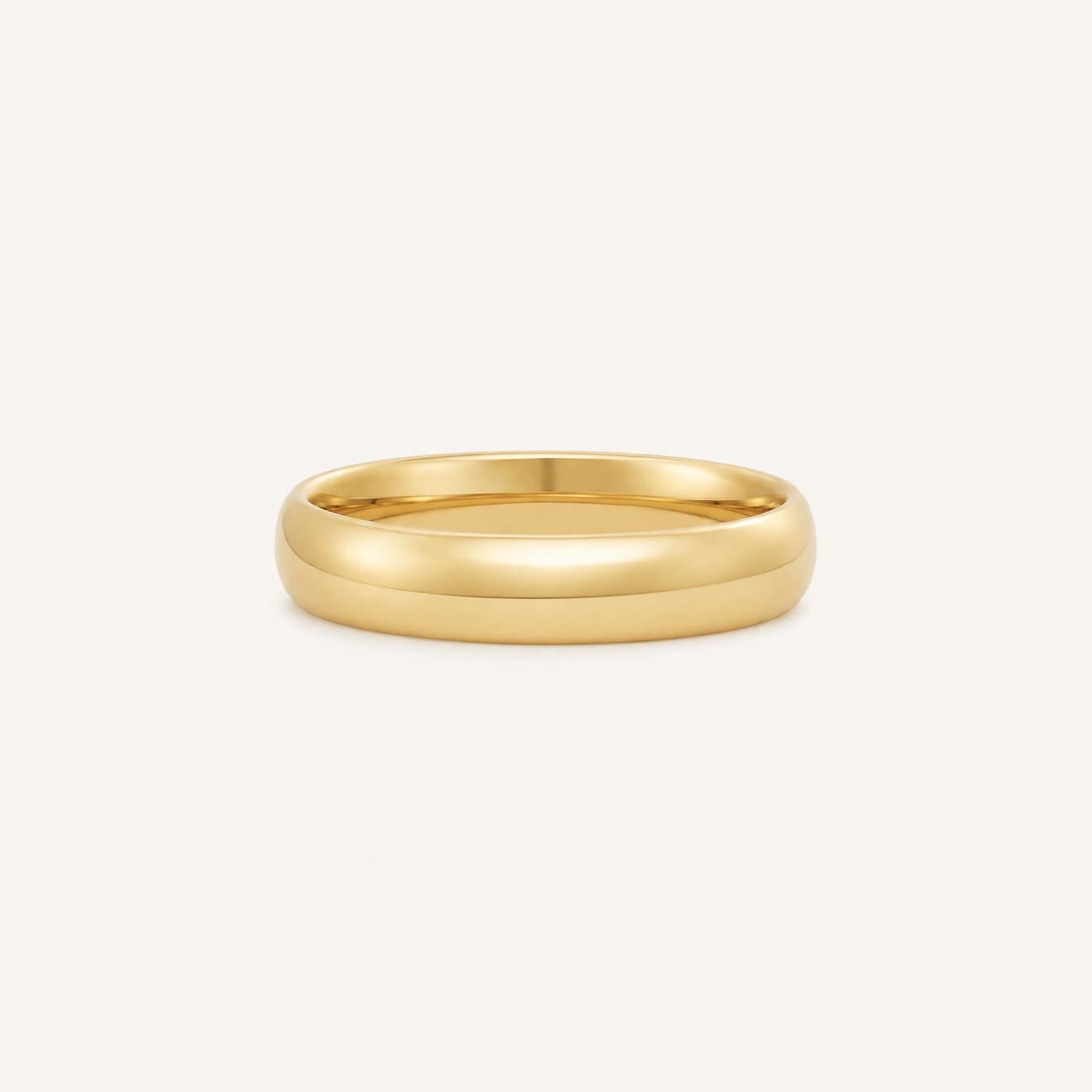
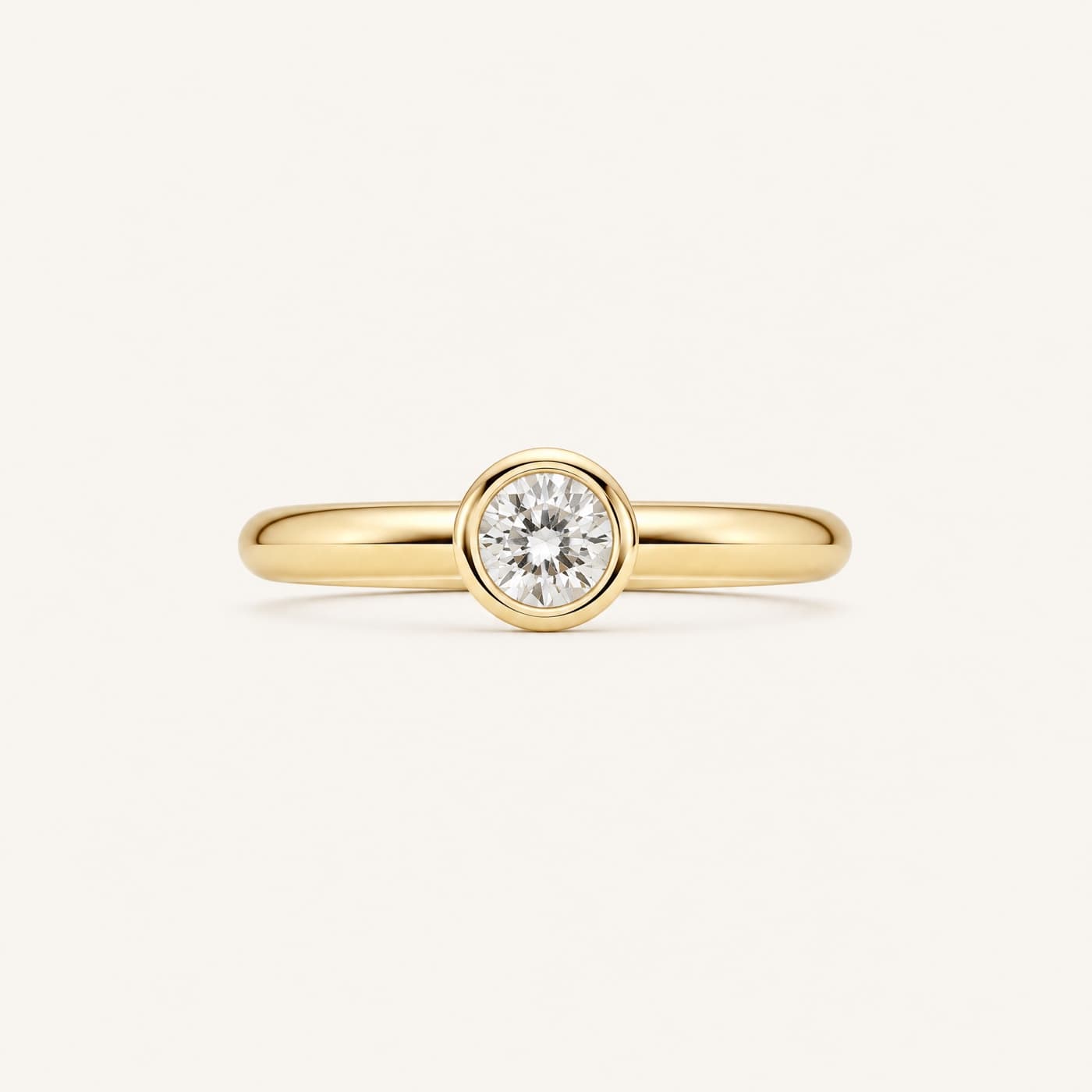
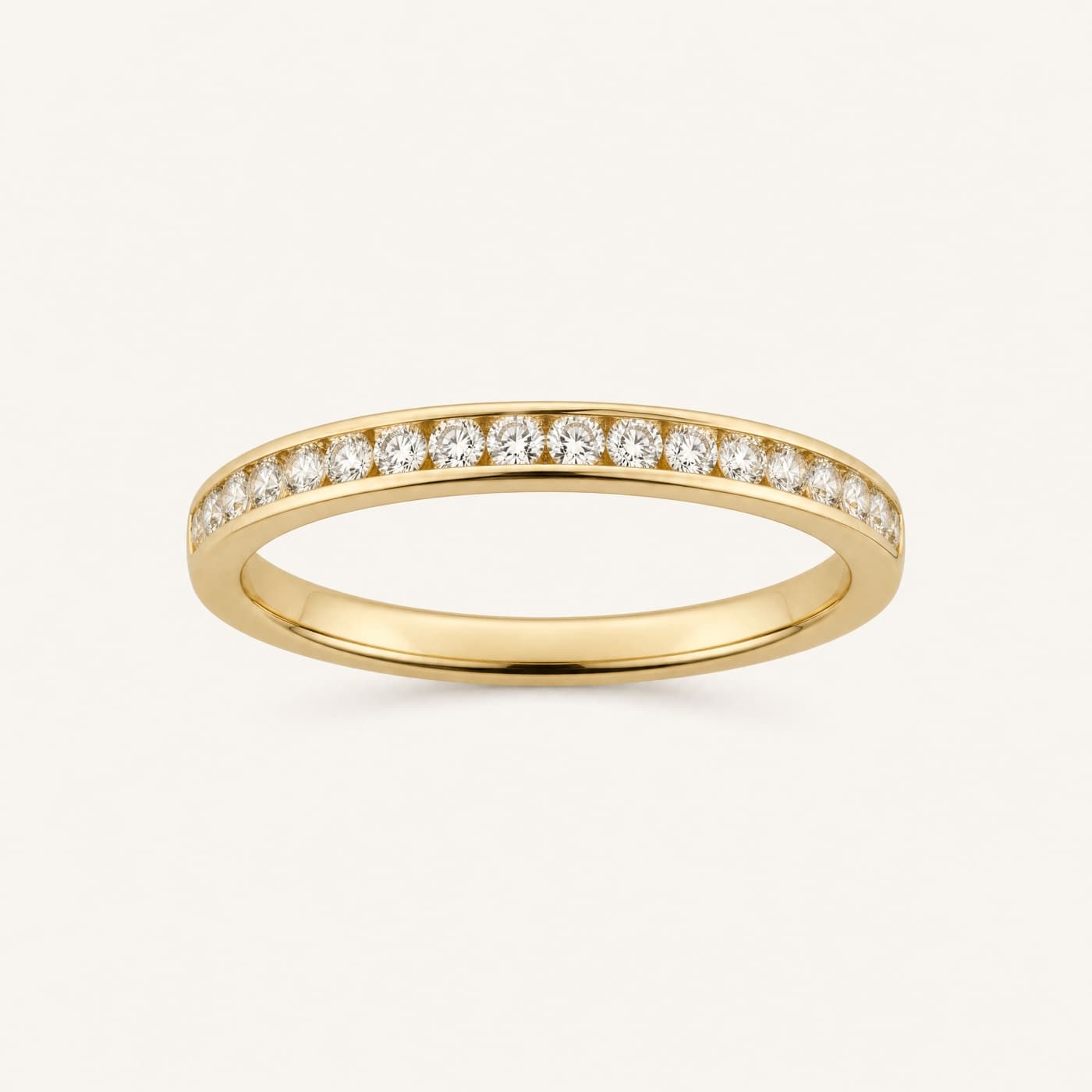
 01
01Solitaire Engagement
One stone, held four or six ways. Each design in both origins, priced side by side.
Engagement, wedding and eternity rings
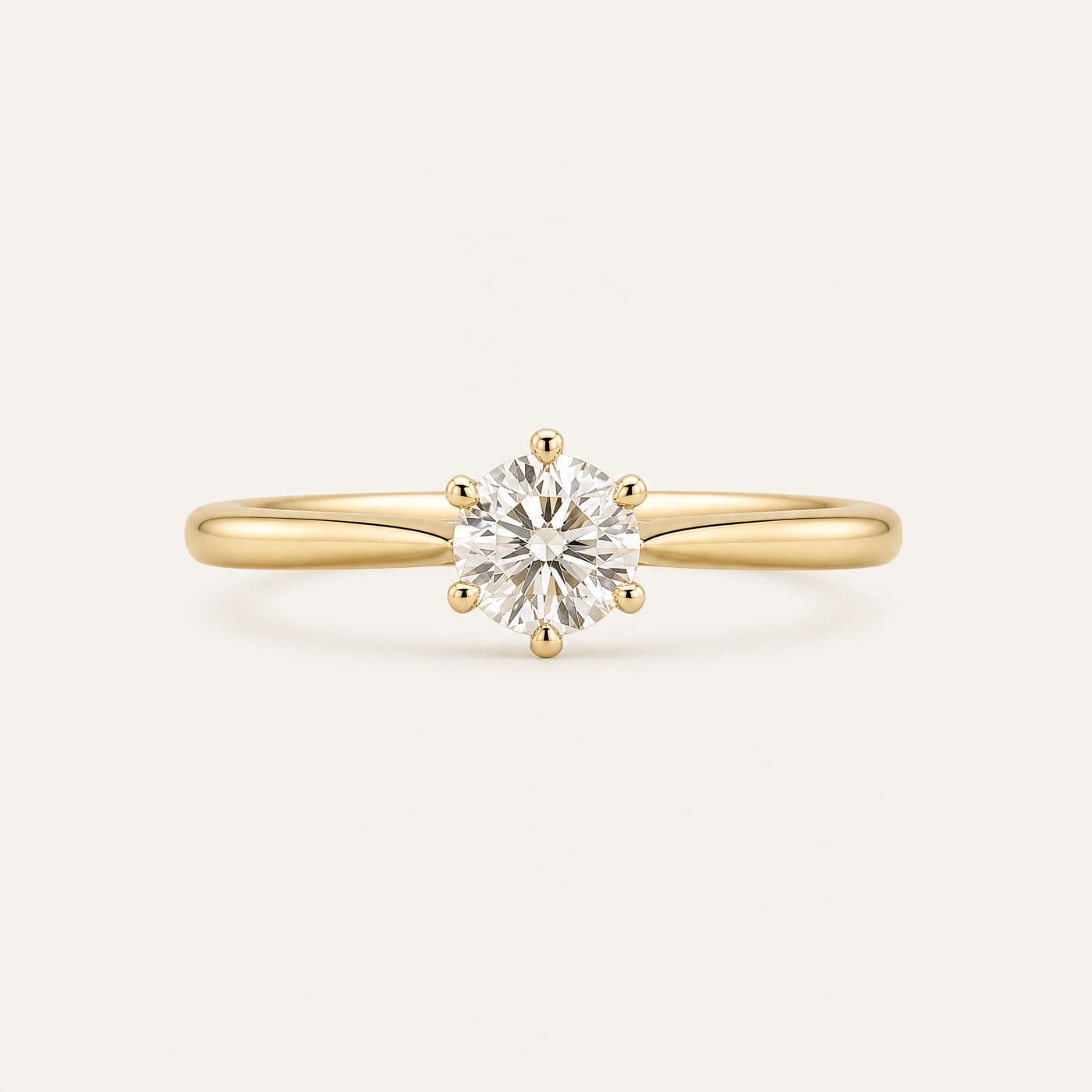
The same design, the same photograph, the same specification. The stone in one grew in the ground and the stone in the other grew in a reactor. What changes is the price and the laboratory that reported on it, and both are printed above.
Where we stand
A natural diamond and a laboratory-grown diamond are the same material. Same chemistry, same hardness, same behaviour in light. They differ in how they formed, and in what the market charges for them.
So we put both versions of a design on one page, photographed from the same frame, specified line for line, each with its own price and its own laboratory report. We do not tell you that one is the sensible purchase and the other is the romantic one. That is not a decision a shop should be making on your behalf.
Read the diamond declarations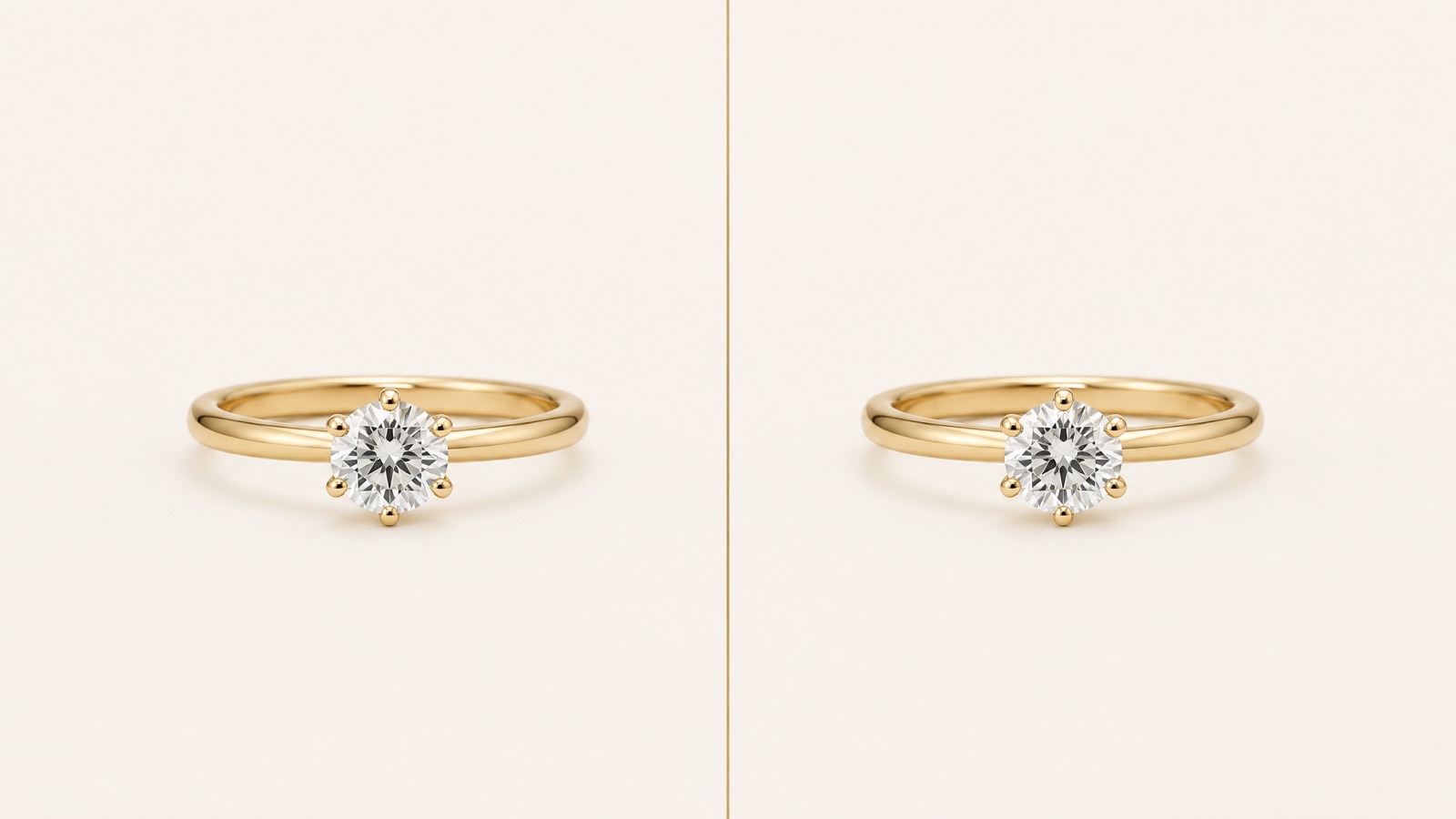
One ring, photographed twice, either side of the line. Which of the two is the mined stone is not something the picture can tell you, and that is the entire reason the specifications are printed instead.
Natural / Lab-grown
Four of the six lines carry every design in both origins. The bands are precious metal only, and the sizing line is the part most people should start with.
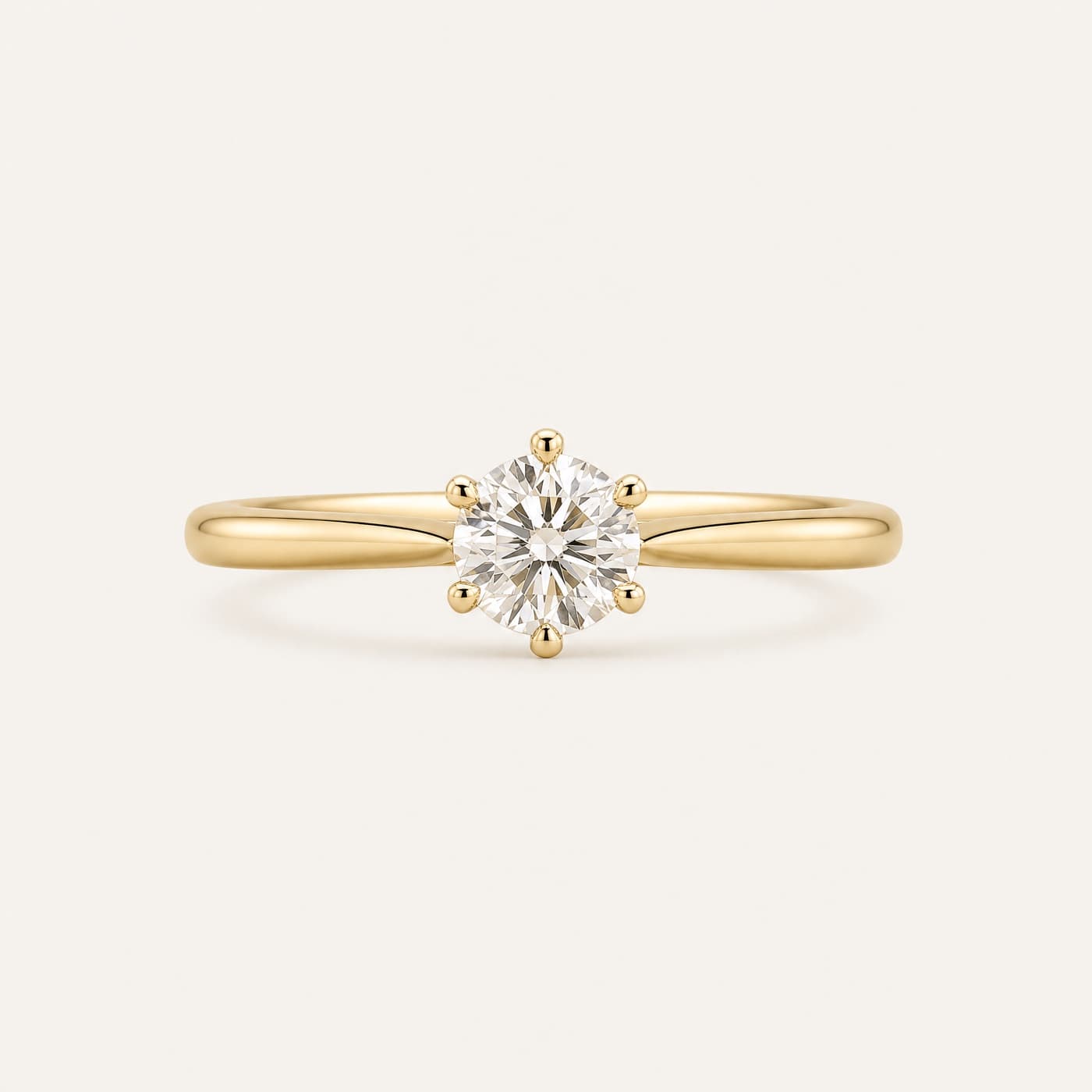
01One stone, held four or six ways. Each design in both origins, priced side by side.
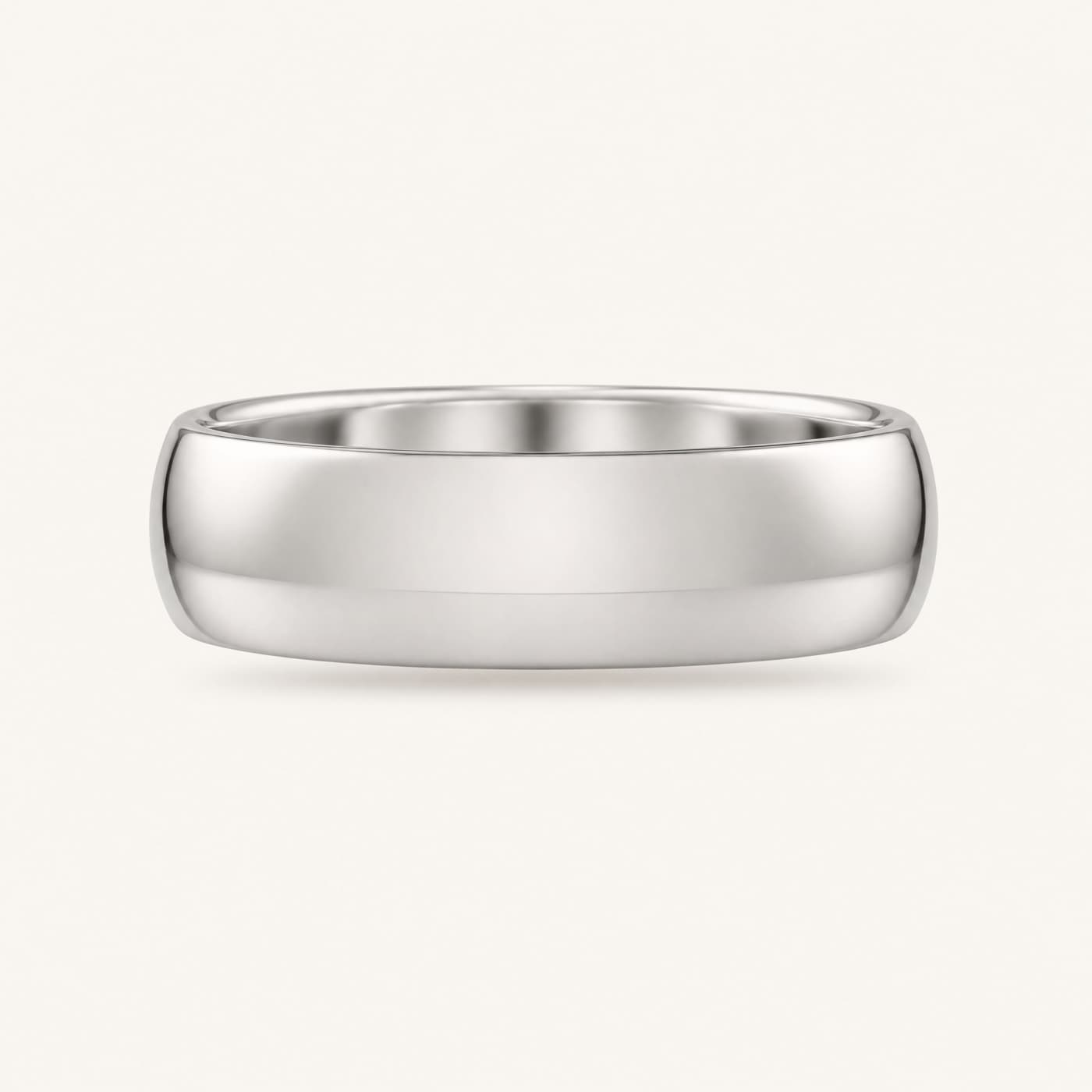 03
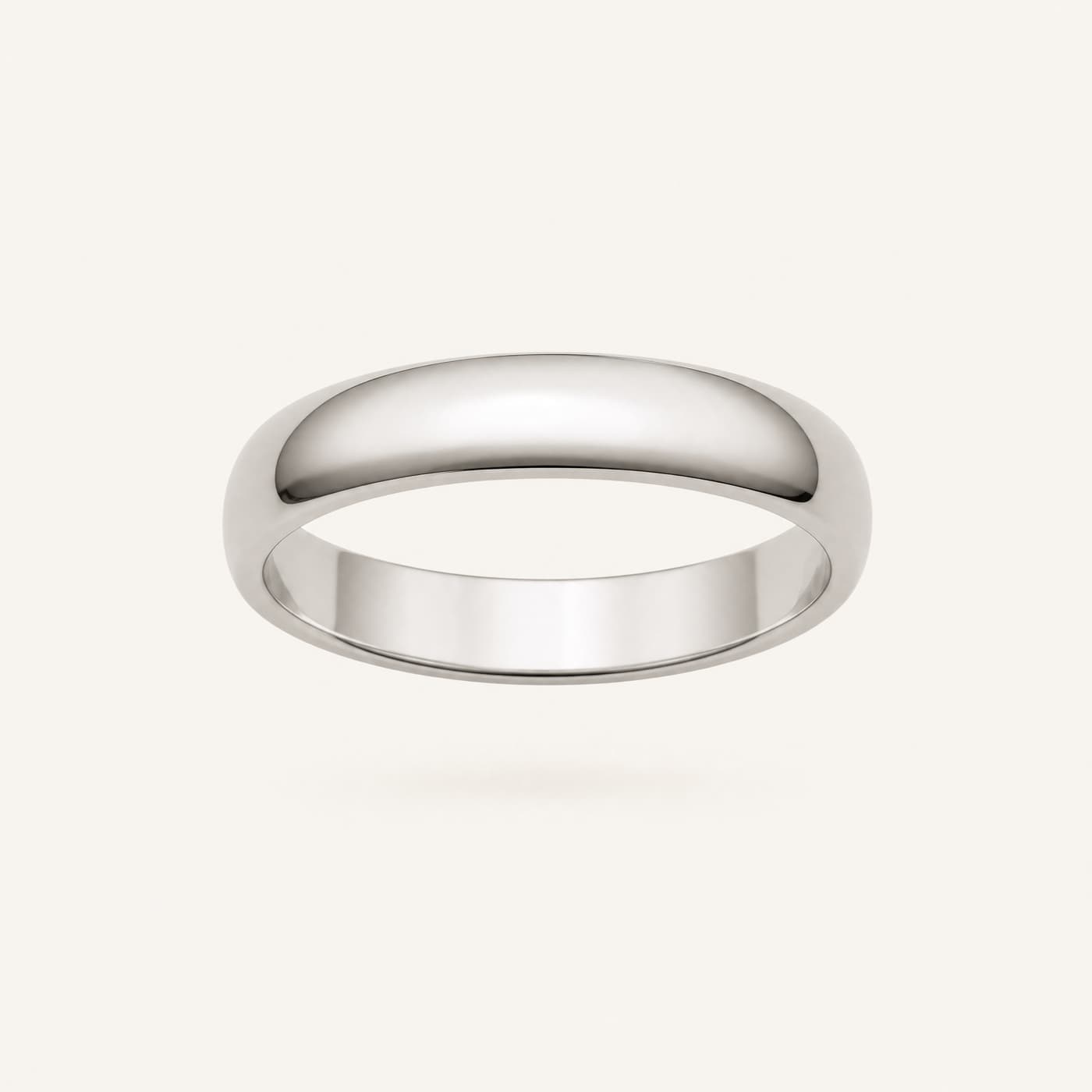
03Court, flat, D-shape and bevelled profiles in 9ct, 18ct and platinum. Every one hallmarked.
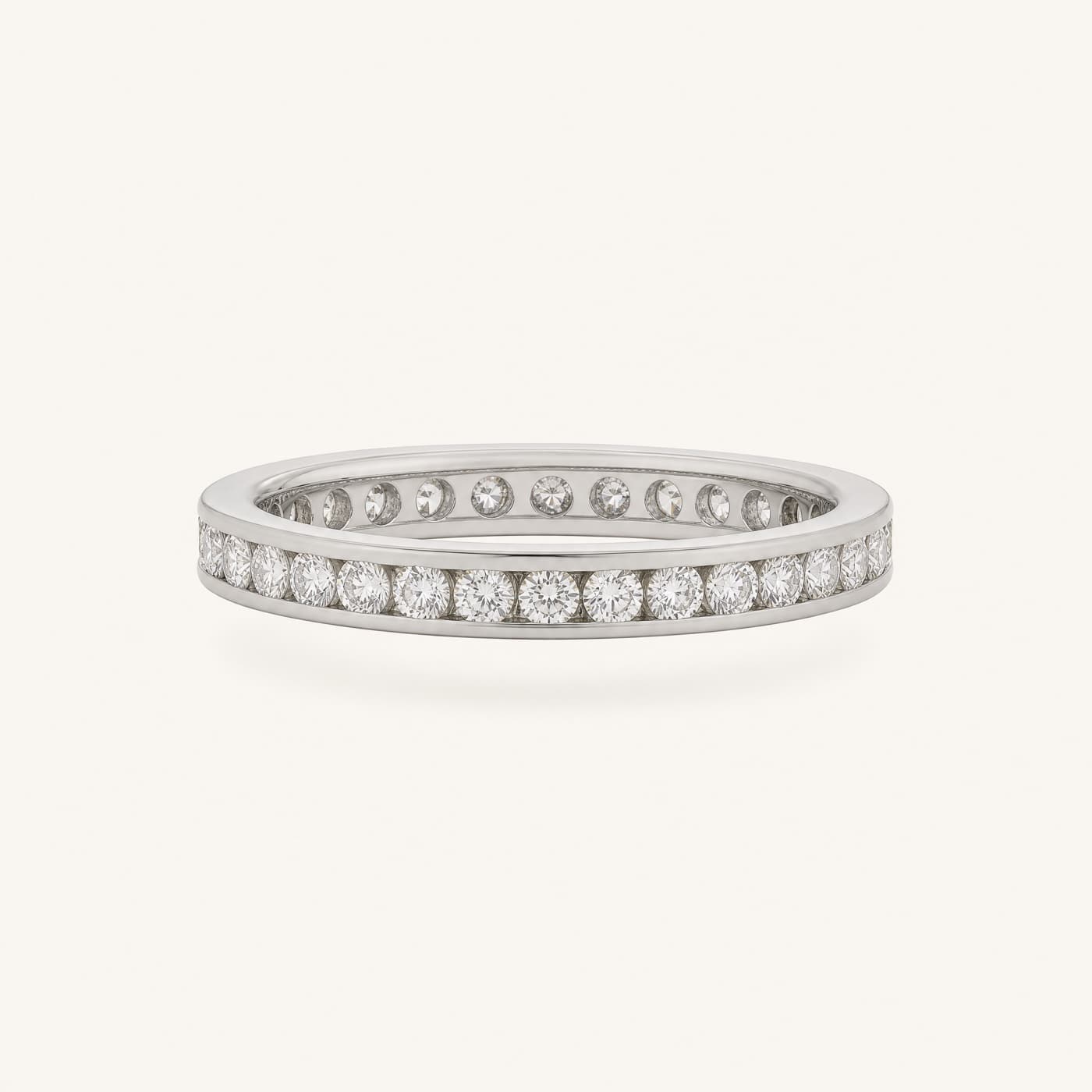 05
05Half and full eternity bands. Full eternity cannot be resized — that is said before you buy, not after.
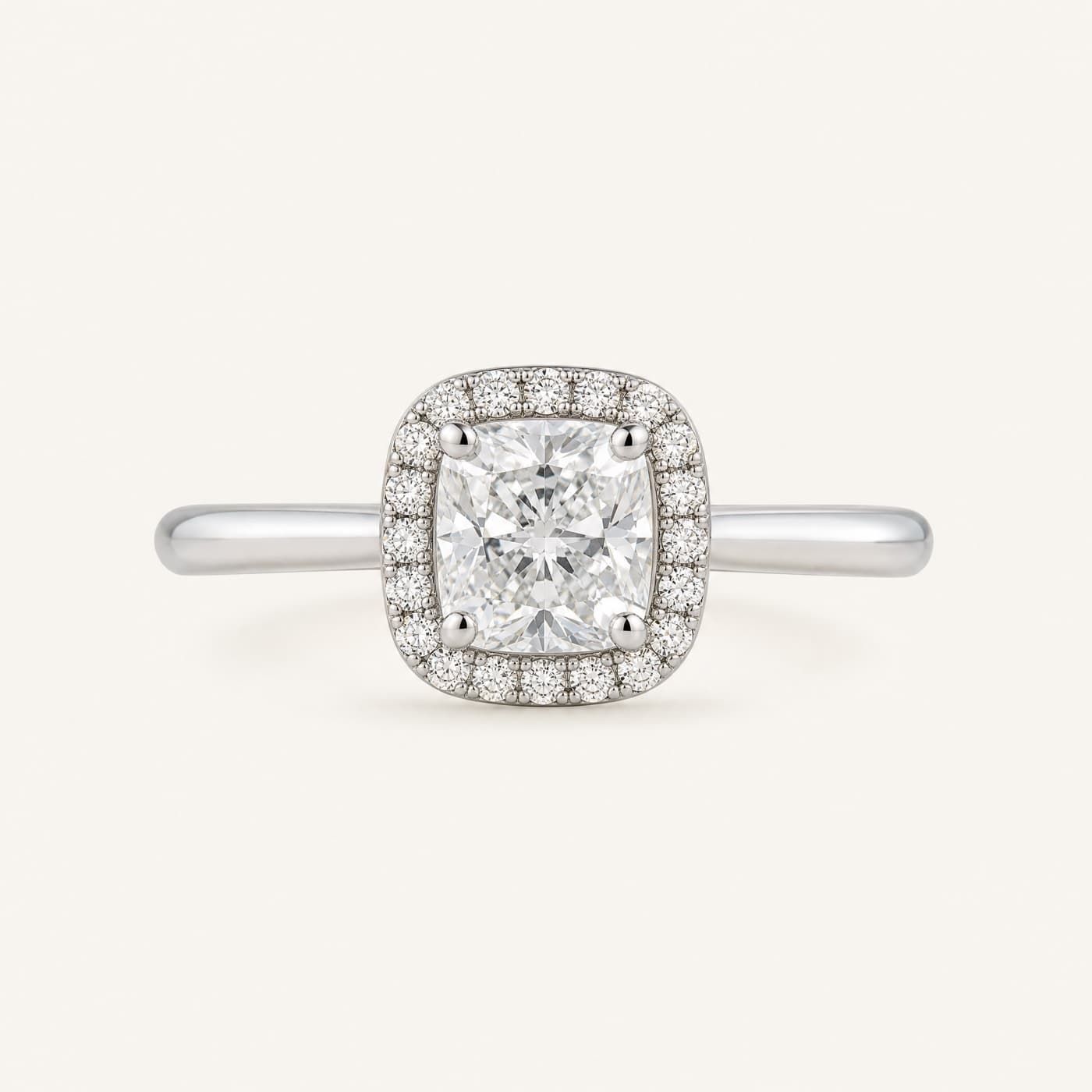 02
02A centre stone ringed by smaller ones. Centre weight and total weight stated separately.
 04
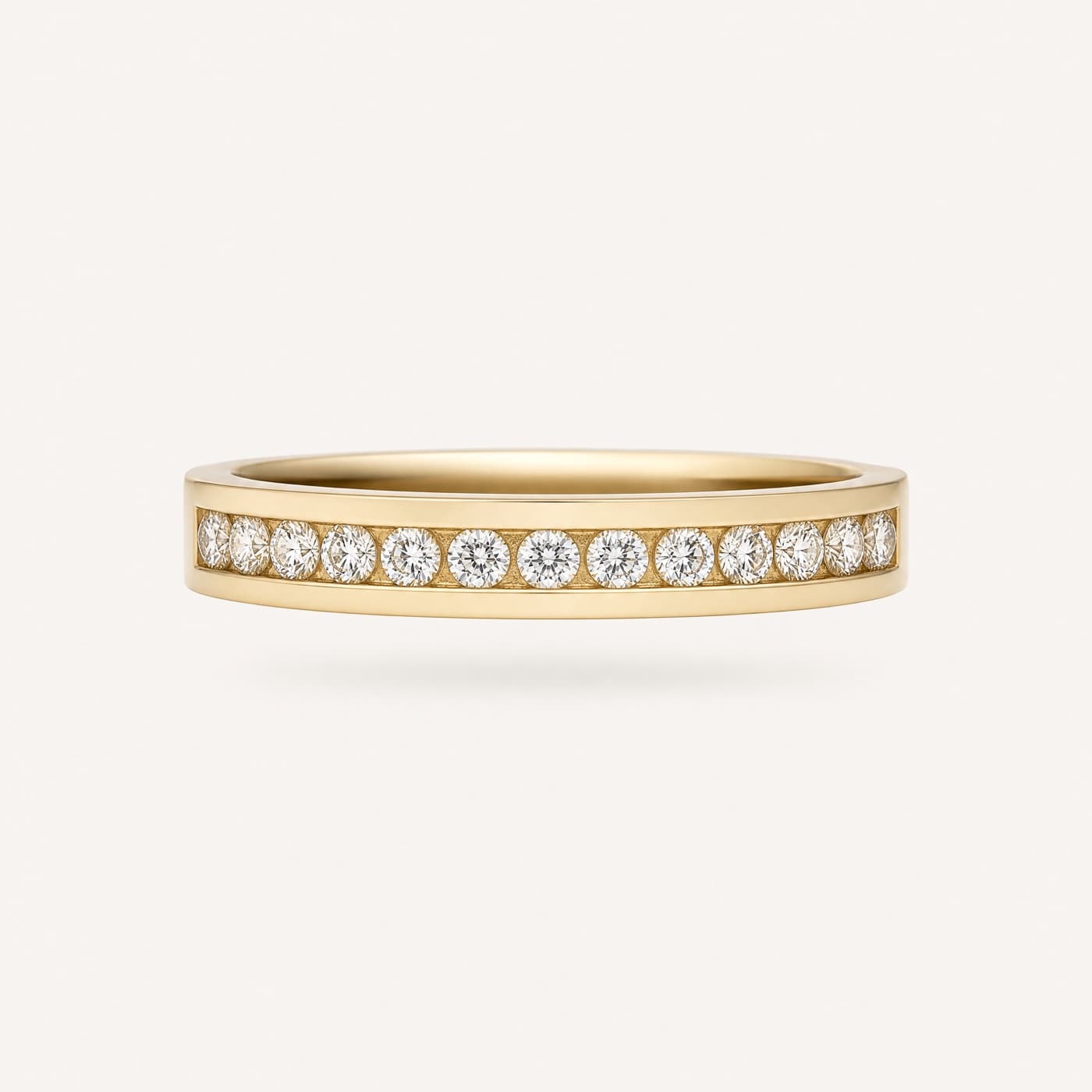
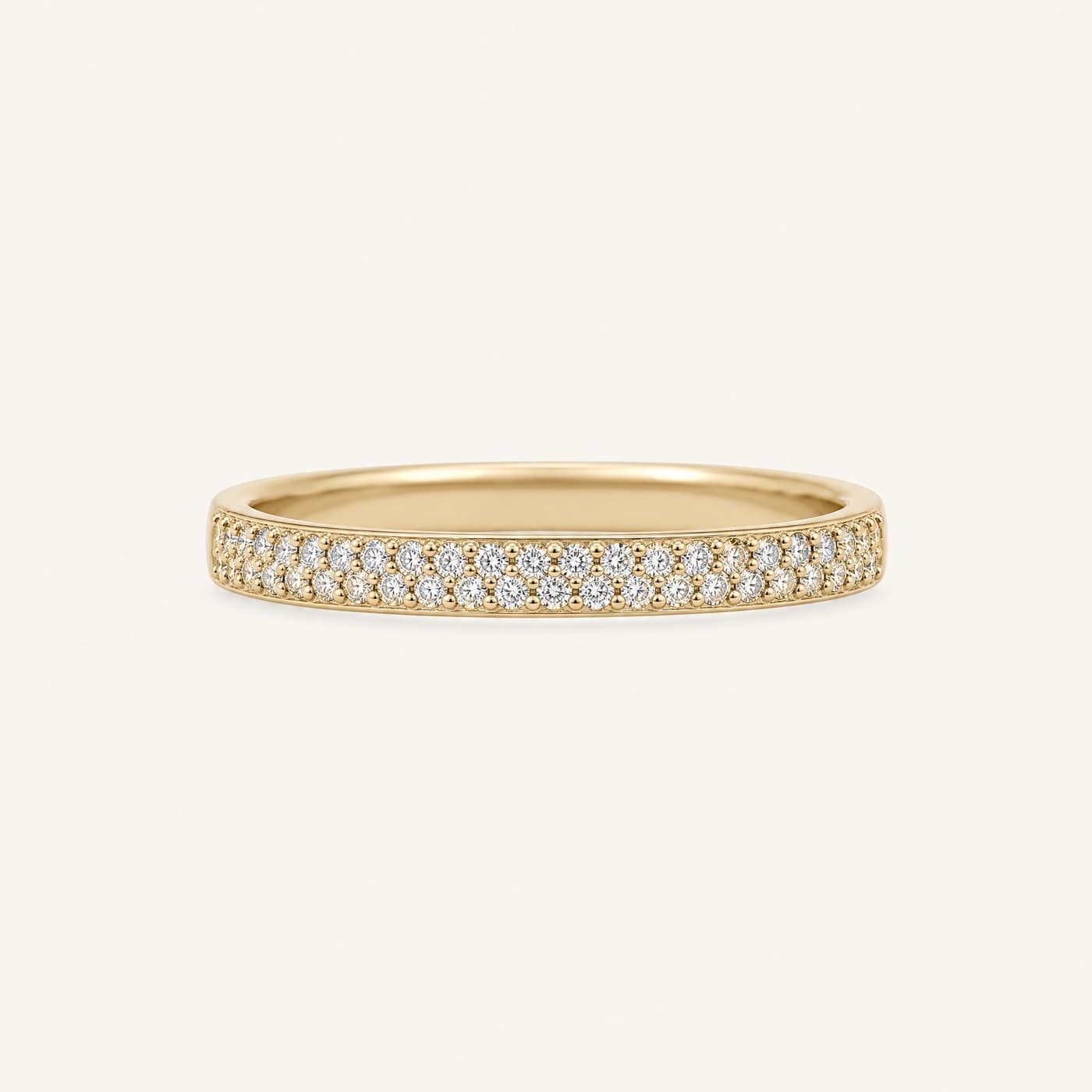
04Channel, pavé and five-stone bands. Setting type and its wear behaviour stated on every page.
 06
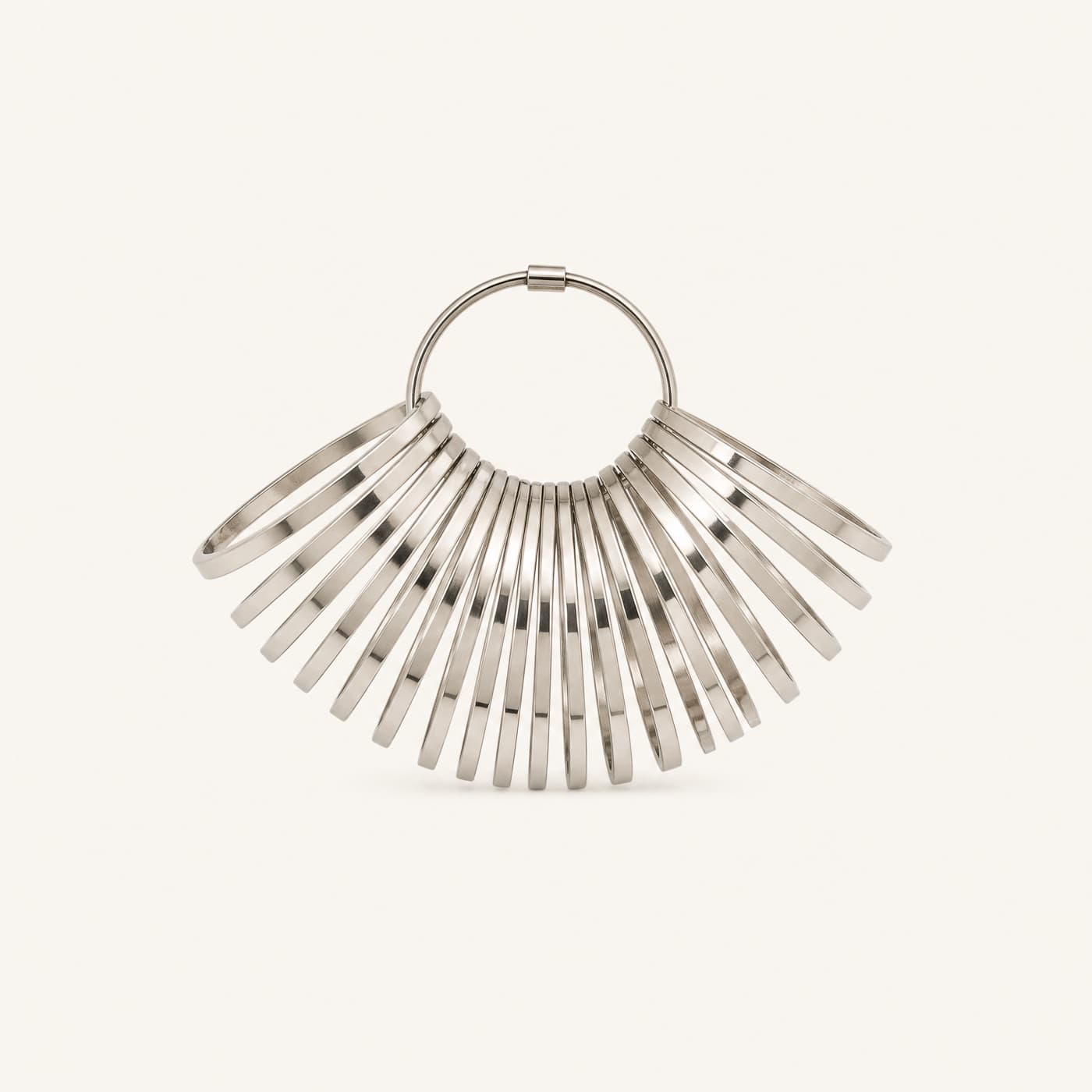
06Ring sizers, presentation boxes and cleaning kits. The sizer cost comes back off your ring.
The mechanism
Every paired design has this table on its page. It is generated from a fixed list of factual fields, so there is nowhere for a persuasive sentence to sit. Read down the two columns and the difference between the two rings is exactly as large as it actually is.
Open this ring| Field | Natural | Lab-grown |
|---|---|---|
| Stone origin | Natural diamond | Lab-grown diamond |
| Centre stone | 0.50 ct | 0.50 ct |
| Colour | G | G |
| Clarity | VS1 | VS1 |
| Cut | Excellent | Excellent |
| Laboratory | GIA | IGI |
| Report number | PLACEHOLDER — ASSIGNED AT DISPATCH | PLACEHOLDER — ASSIGNED AT DISPATCH |
| Price, GBP, VAT included | £3,450 | £1,290 |
| Metal | 18ct gold | 18ct gold |
| Net weight | 3.2 g | 3.2 g |
| Hallmark | Struck, London Assay Office | Struck, London Assay Office |
Any centre stone of 0.30 ct or more is sold with an independent laboratory report, and the issuing laboratory is named in full. Where there is no report — the cluster and the multi-stone bands — no colour, clarity or cut grade is quoted at all, because there would be nothing behind it. Total carat weight is always labelled as a total, never used to suggest the size of one stone.
Diamond declarations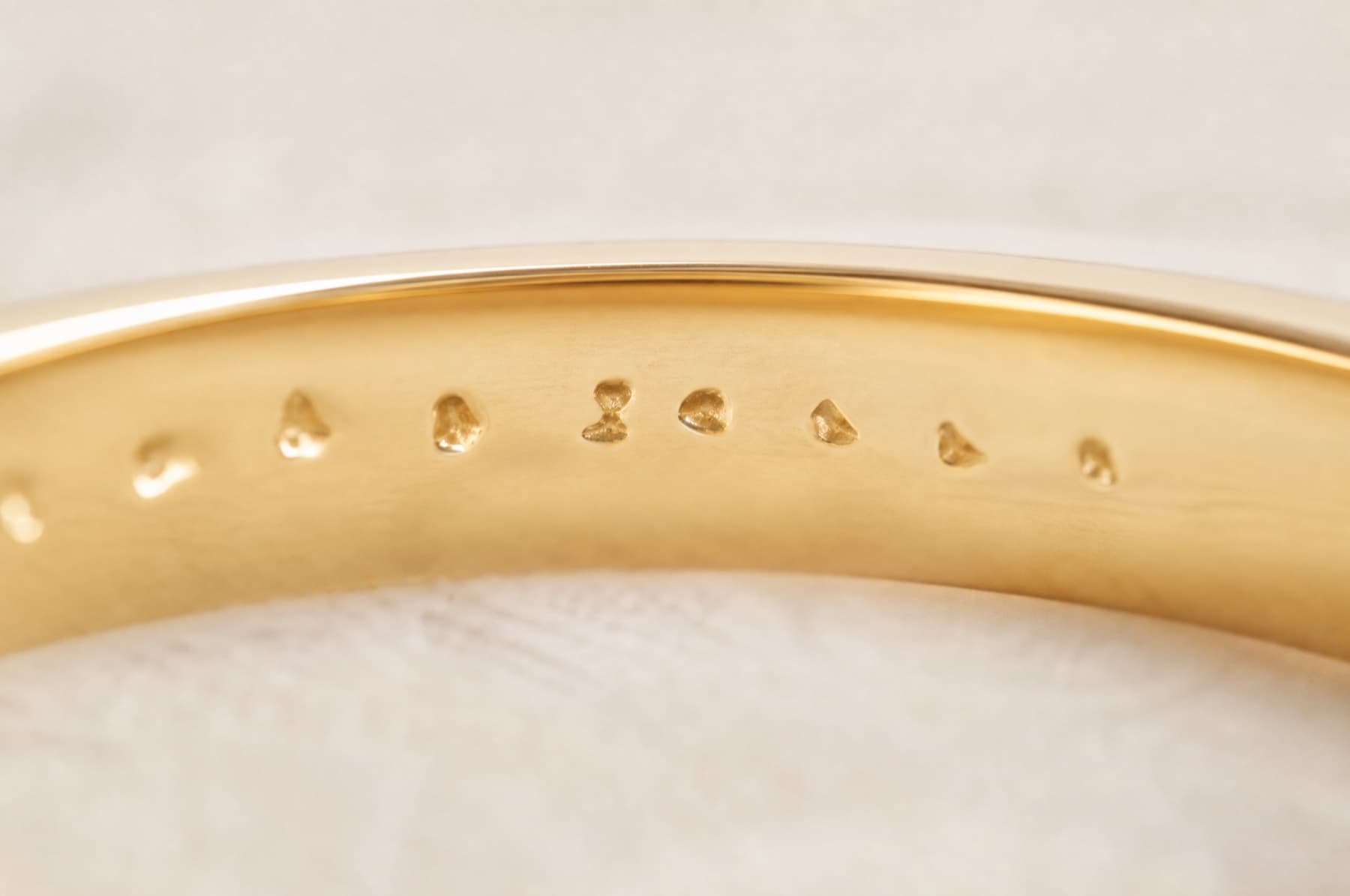
Under the Hallmarking Act 1973 an article of gold over 1 g or platinum over 0.5 g cannot lawfully be described as precious metal without being hallmarked. Wedding rings are well over both. Every precious metal ring here carries its marks, and the net weight and assay office are printed on the page.
Hallmarking and the Dealer's NoticeEvery ring states its resizing window: plus or minus three sizes on a plain band, one size on a set band, and none at all on a full eternity ring, where stones run the whole way round and there is no plain metal to work. Where the answer is no, the page says so in a red panel that cannot be dismissed, with the structural reason next to it.
Resizing policy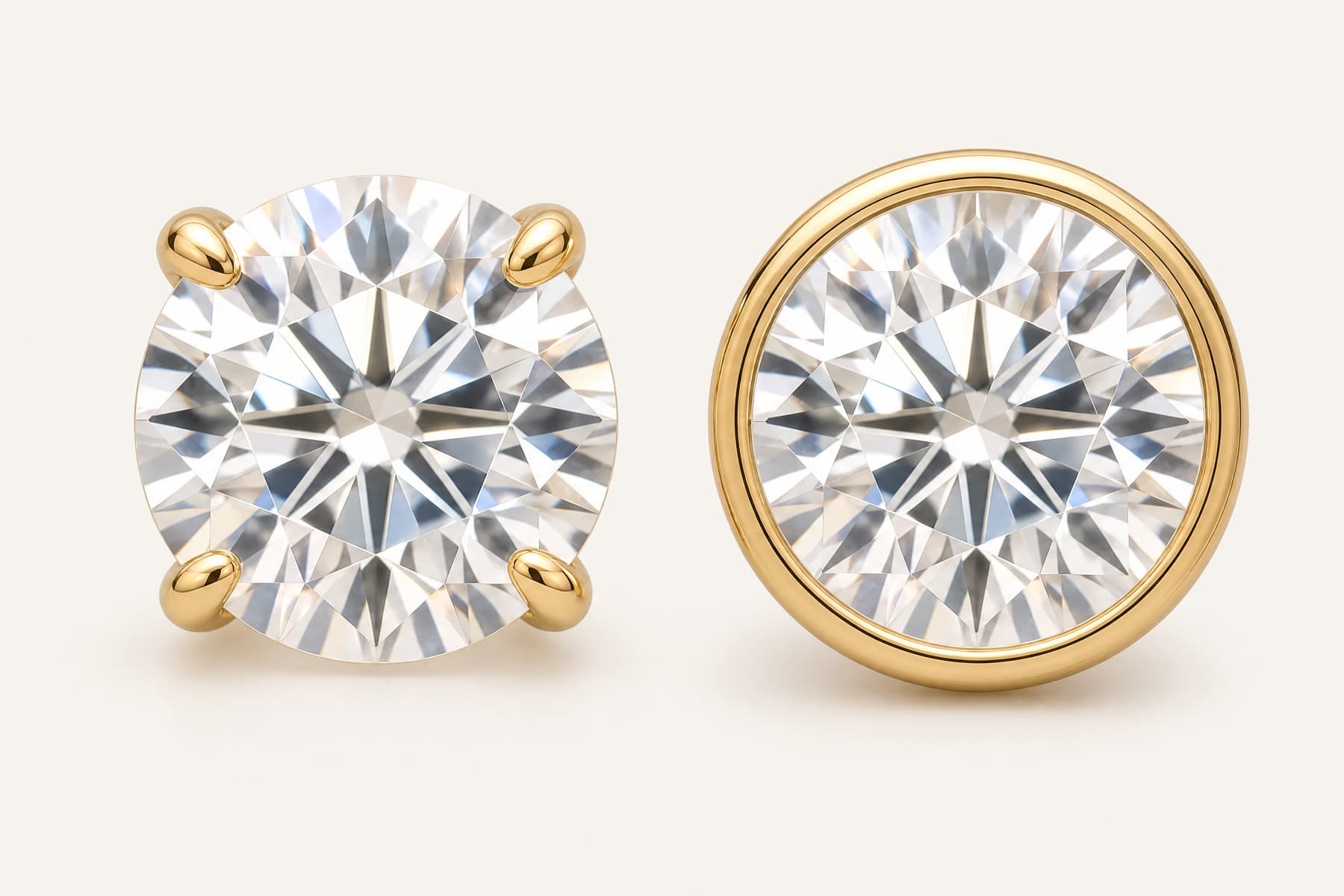
Claws show the most of a stone and catch the most on knitwear. Bezels sit low and snag least. Pavé gives a continuous line of light and has the shortest inspection interval of anything here. None of these settings is permanent, and we do not say otherwise — have any set ring looked at every twelve to eighteen months.
Set bandsReviews are published as written. What we will not publish is a review claiming a ring holds its value, or one telling other people how much they ought to spend — those are held for a person to deal with.
Verified against an order
The two columns are the reason I bought here. I had spent a fortnight being told by one shop that lab-grown is not a proper diamond and by another that natural is a con, and neither would put the numbers next to each other. Seeing the same specification twice with two prices under it took about four minutes to decide.
The red box saying this one can never be resized is unmissable and it made me stop and get measured properly instead of guessing. Four rather than five only because I would have liked more platinum options in a narrower width.
Hallmark clearly struck, report in the box, and the net weight matched the page exactly when I had it weighed out of curiosity. Small thing, but it is the sort of thing that tells you the rest of the page is probably true as well.
Ordered the sizer first because the site more or less insists on it. Glad I did, I was a full size out from what I had assumed. The band arrived four days later and the fit is right. The sizer cost came off as promised, no chasing needed.
I work with my hands and every jeweller I spoke to still tried to sell me a claw setting. This was the first site that said outright which setting snags and which does not. The bezel has been through six months of joinery without a mark on the stone.
Before anything else
Fingers change through the day, with the seasons and with exercise. Measure in the afternoon, measure more than once, and if you are buying without the other person knowing, there are four ways to do it that do not involve asking. A reusable sizer is GBP £5 and the cost comes off your ring in full.